9 Smart Kitchen Habits That Make Cooking Faster (Proven & Practical)
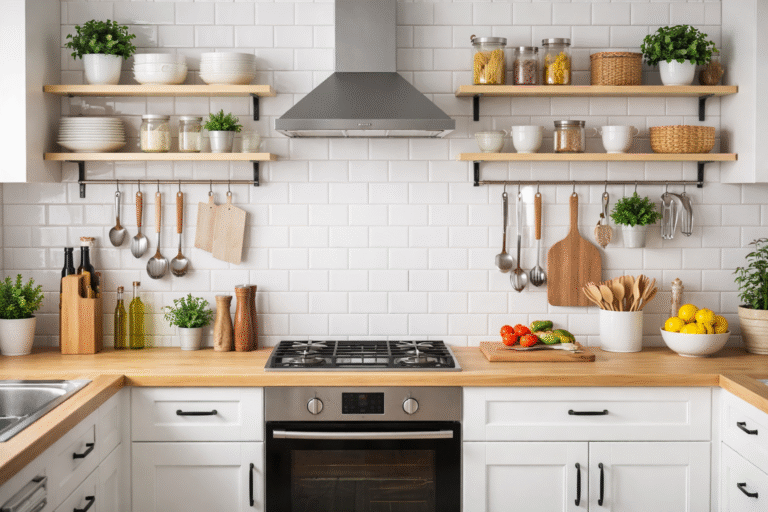
Smart Kitchen Habits don’t require fancy gadgets to make cooking faster. What actually saves time are small habits you repeat every day in your kitchen. From how you arrange tools to how you prep ingredients, smart kitchen habits reduce effort and stress while improving daily cooking efficiency.
Keep Everyday Tools in One Zone
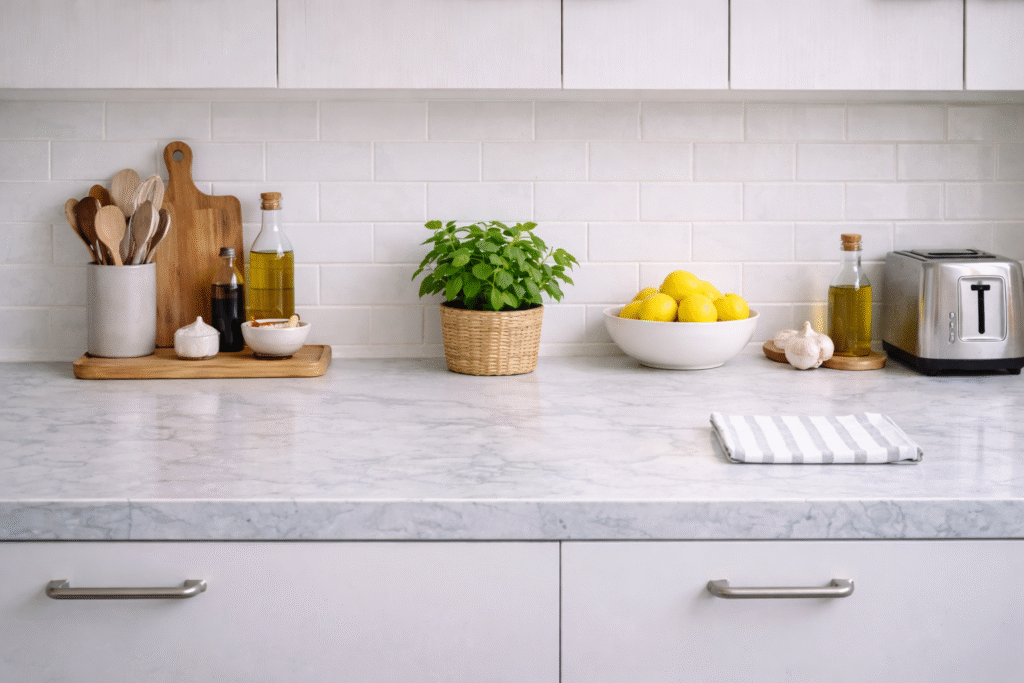
When cooking tools are scattered across drawers and shelves, small delays add up quickly. Keep frequently used items like knives, cutting boards, spatulas, and cooking oil in one dedicated area near your workspace. This reduces unnecessary movement, keeps your workflow smooth, and helps you focus on cooking instead of searching.
Prep Ingredients Once, Use Multiple Times
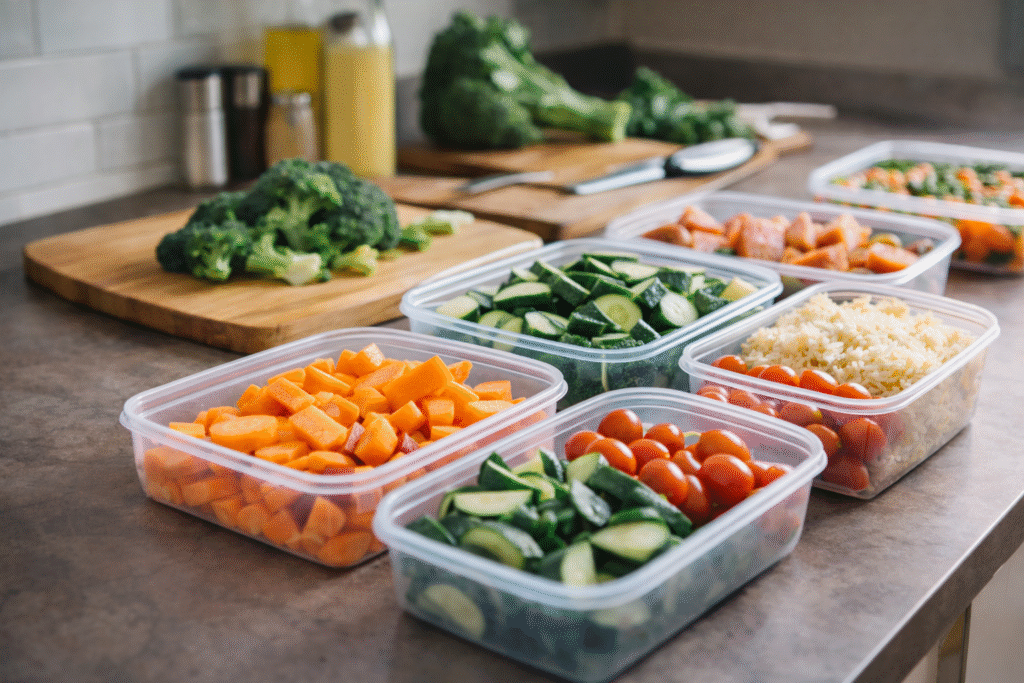
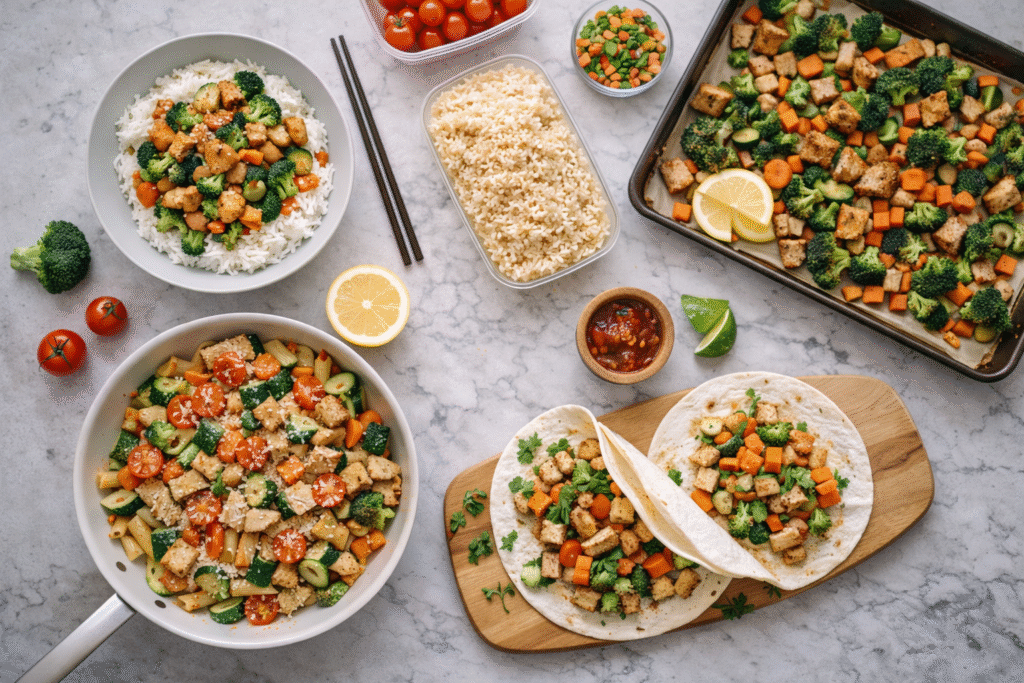
Prepping ingredients in advance saves time during busy weekdays. Chop vegetables, wash greens, and portion ingredients in one session so they’re ready for multiple meals. This habit cuts daily prep time and makes cooking feel faster and less tiring throughout the week.
Clean While Food Is Cooking
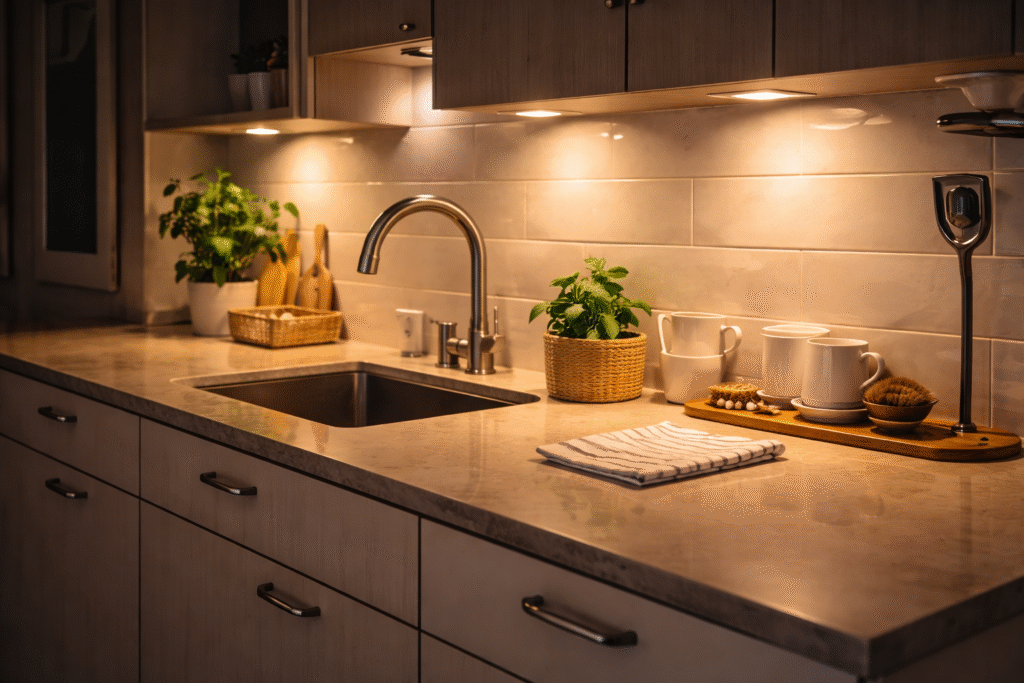
Idle time while food simmers or bakes is perfect for quick cleanup. Washing utensils, wiping counters, and organizing used items during cooking prevents mess from piling up. This habit reduces post-meal cleanup and keeps your kitchen comfortable while you cook.
Plan Meals Around Similar Ingredients
Using similar ingredients across multiple meals simplifies preparation and reduces waste. When vegetables, spices, or sauces overlap, you spend less time chopping and organizing. This approach makes grocery shopping easier and speeds up daily cooking routines.
Store Food Where You First Look
Items you use often should be stored where your eyes naturally go first. Keeping daily staples at eye level or in easy-to-reach areas prevents unnecessary searching. Smart placement improves speed and reduces frustration while cooking.
Keep Your Knives Sharp
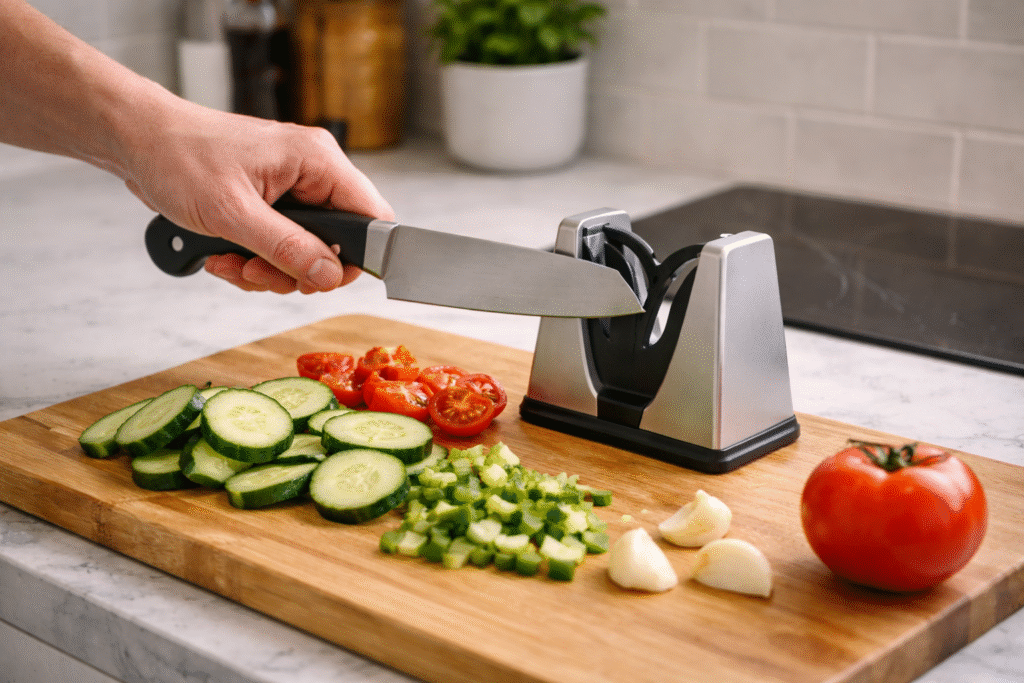
Sharp knives make cutting faster, safer, and more precise. Dull blades slow you down and require extra effort for simple tasks. Regular sharpening helps you work efficiently and reduces the time spent struggling with ingredients.
Keep Countertops Minimal
Crowded countertops slow down movement and decision-making. Keeping only essential items on the counter creates more working space and reduces distractions. A clear surface allows you to prep, cook, and clean more efficiently.
Use Labels Inside Cabinets
Labels help you instantly identify where items belong. Marking shelves or containers reduces the time spent searching for ingredients or tools. This habit is especially useful in shared kitchens and helps maintain long-term organization.
End Each Day With a 5-Minute Reset
Spending five minutes resetting the kitchen at the end of the day saves time the next morning. Washing a few dishes, wiping counters, and organizing tools creates a clean starting point. This simple habit keeps cooking fast and stress-free.
Why Smart Kitchen Habits Matter Long-Term
Smart kitchen habits may feel small, but their long-term impact is significant. Saving even 10 minutes a day adds up to hours every month. More importantly, consistent habits reduce mental fatigue, improve focus, and make cooking feel less overwhelming. Over time, these routines help you cook more often at home, waste less food, and enjoy the process instead of rushing through it. When habits become automatic, efficiency follows naturally.
Small Habits That Save Time Every Single Day
Small changes in your kitchen routine can save surprising amounts of time when practiced daily. Placing commonly used tools back in the same spot, prepping ingredients with intention, and resetting your kitchen before bedtime all reduce friction the next day. These smart kitchen habits help you move automatically instead of stopping to think. Over weeks and months, this consistency improves speed, lowers stress, and makes cooking feel effortless rather than rushed. Over time, these habits turn everyday cooking into a smooth, stress-free routine.